Whenever I kneel on my right “bum” knee, I’m reminded of an old injury. Surgery helped many years ago, but wear and tear, gravity and age have taken their toll. Another surgery is planned to improve my gait, ease the pain and bring my new knee into alignment with the left one. I may even regain an inch in height! Isaiah’s “crooked places” (Is 45:2) serves as a metaphor for the obstacles, difficulties and disorder God will straighten out for his people. Perhaps that will be my Scripture passage for surgery day.
One morning, I told a pastor I was assisting at Mass about my injury and upcoming surgery. He offered a little theology in return. Priests make good sounding boards for deacons — and I hope the reverse is true. After all, we need someone to complain to! His advice was timely for November, when we, the Church militant, begin by honoring all the saints in heaven. Throughout the month, we visit cemeteries and pray for our departed loved ones and all the souls in purgatory. His reflections brought to mind the sacrament of confession and the purpose of purgatory: even after sin is forgiven, its effects can linger, like old wounds that still need healing. Until the day we die.
In an age of relativism, our discussions can seem to lead nowhere. Yet one truth remains: someday we will die. Memento mori — “remember, you will die”— is often the subject of reflection in November. There are abundant opportunities to listen, pray and think about this topic via Catholic podcasts, small group discussions or individual devotions. Though sobering, the reality of death calls us to prepare each day for the end of our earthly lives. To paraphrase what I read in one of my reflections, we can look death in the eye and see it for what it is in light of the Resurrection. The wisdom with which our Lord teaches us through his parables, his example and ultimately his passion can bring light even to the darkest hour.
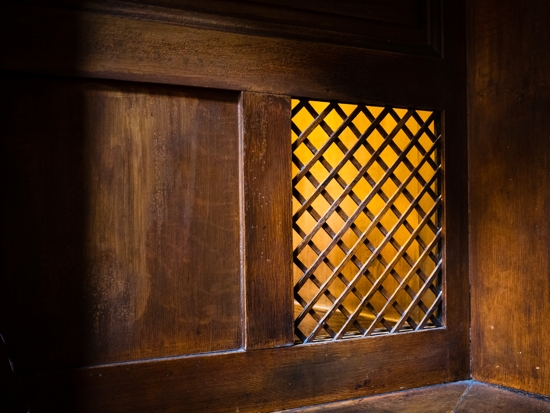
In many of this month’s readings, Jesus uses parables to teach that readiness brings the reward of eternal friendship with him, the Blessed Mother, St. Joseph and all the angels and saints. Read Matthew 25, in which five wise virgins demonstrate the importance of staying awake and being ready. The sacrament of confession helps us live with that wisdom as we face life’s obstacles, difficulties and disorder. Through a good confession and a priest’s absolution, we find relief from sin’s burdens and healing for its wounds. This renewal lifts body, mind and soul, opening our hearts to greater charity.
Monthly confession is one of the Catholic Watchmen movement’s seven disciplines, which also encourages us to bring our families. My wife and I go around the first Saturday of each month, and we are always heartened to see parents waiting with their children for confession. It is so valuable for families to learn together how this sacrament of healing encompasses conversion, penance, confession, forgiveness and reconciliation. The Catechism of the Catholic Church (CCC 1423-1424) explains some of the dimensions of the sacrament. For a fuller understanding, read the entire section, which also touches on the doctrine of purgatory. Sins or shortfalls that are forgiven may still linger and need to be purified in the afterlife.
Only under Christ’s gaze will we fully understand our need for purgatory’s cleansing. Though we may wish to avoid it or pass through quickly, purgatory offers hope to souls destined for heaven. Here on Earth, suffering can also purify our hearts and souls. Few of us live with such complete purity and virtue that no cleansing is needed. Church teaching and sacred tradition describe purgatory as a place or condition of purification.
The late Pope Benedict XVI wrote of purgatory with deep insight: “I would go so far as to say that if there was no purgatory, then we would have to invent it, for who would be able to say of himself that he was able to stand directly before God.” His thinking can draw support from Scripture: “but nothing unclean will enter it” (Rev 21:27). Other Scripture passages that support this doctrine include Matthew 12:32; 1 Peter 3:19 and 1 Corinthians 3:15. Together with the Catechism of the Catholic Church, these passages offer a foundation for reflection on purification, temptation and the suffering that sin causes — all of which give way to the beatific vision of heaven, where all wounds have been healed and the saints dwell with God.
Deacon Bird ministers to St. Joseph in Rosemount and All Saints in Lakeville and assists with the archdiocesan Catholic Watchmen movement. See heroicmen.com for existing tools supported by the archdiocese to enrich parish apostolates for ministry to men. For Watchmen start-up materials or any other questions regarding ministry to men, contact him at gordonbird@rocketmail.com.